
Am I A Communist?
Am I a communist?
Short answer, no. It was just a provocative title to gain clicks. (From one to two, from two to four. Pretty soon I’ll be an influencer and be forced to get an incomprehensible tattoo and end each sentence I speak with a raised inflection whilst taking cash bribes from ED sponsors).
So why pose the question at all? Am I communist? Well, since you didn’t ask, I will answer anyway.
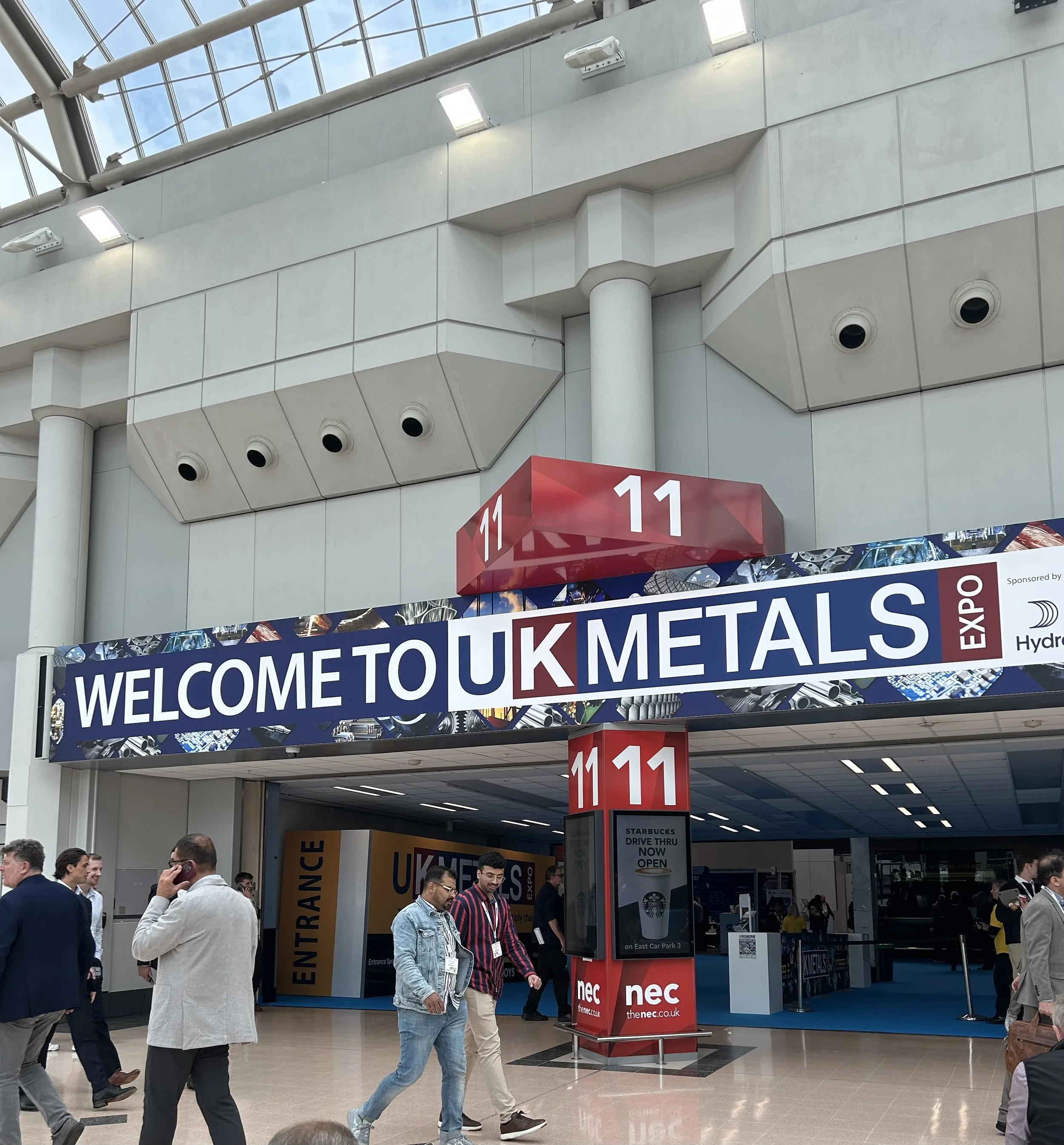
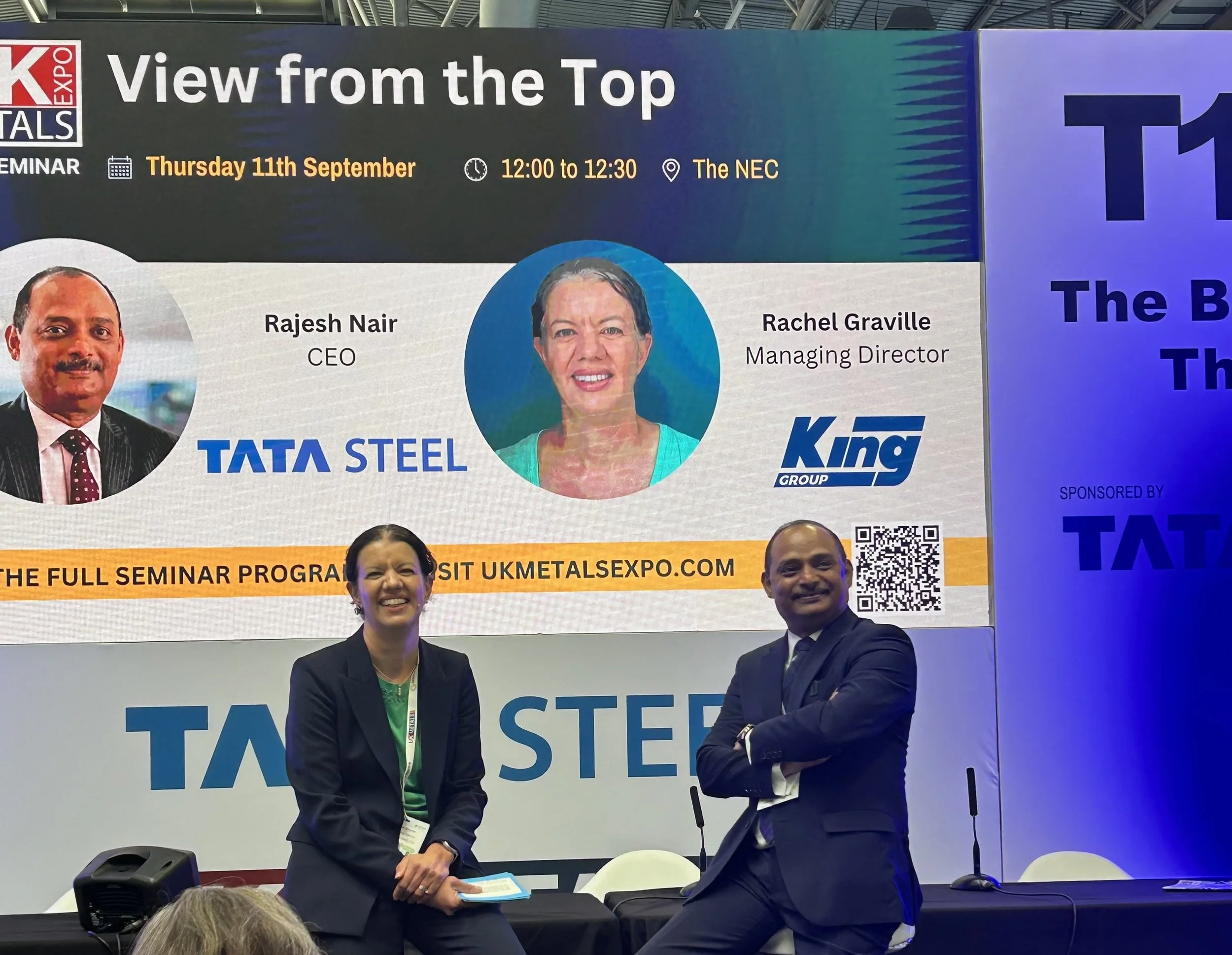
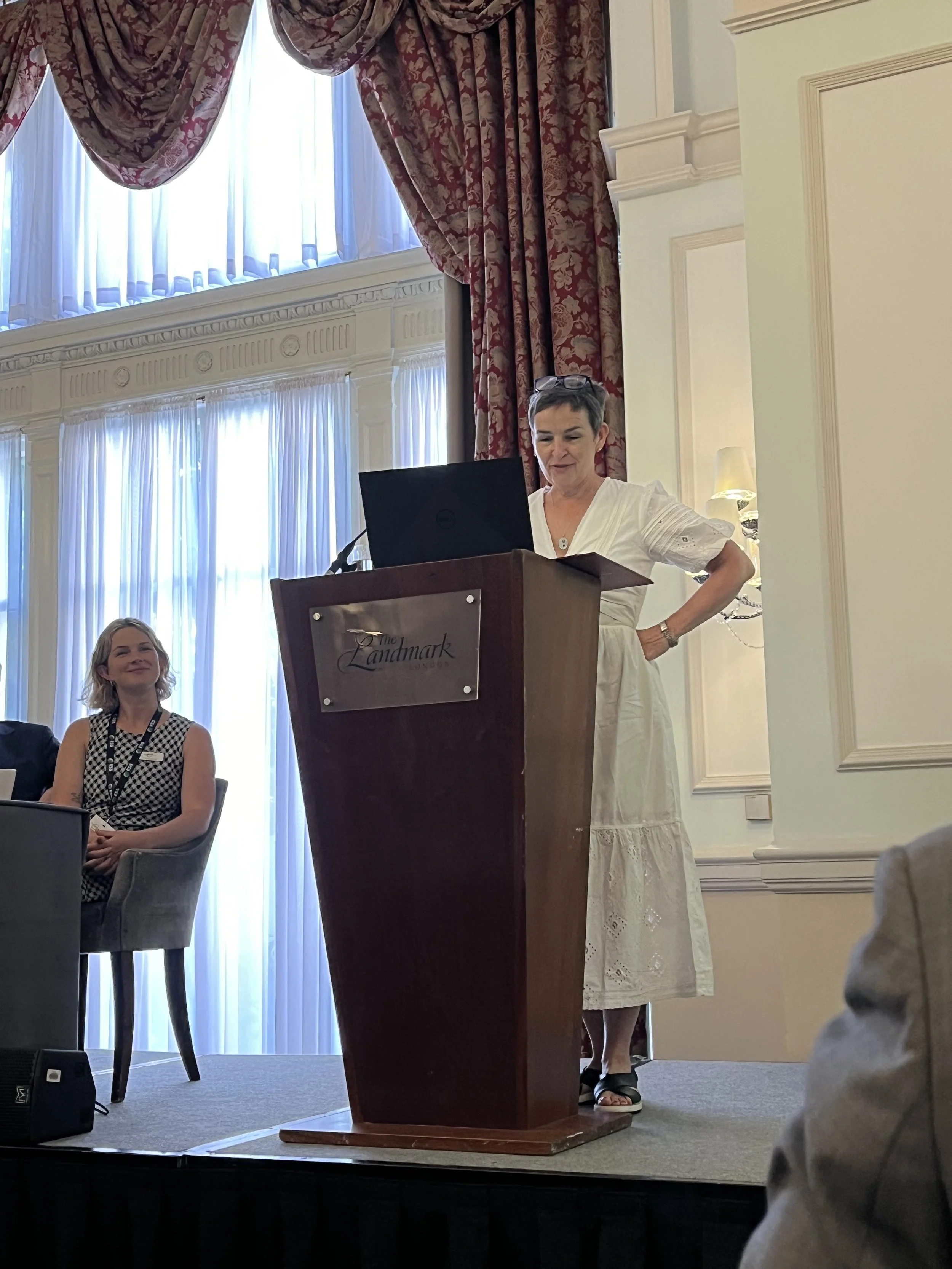
For my job, I attend conferences on recycling, metal production, the circular economy; waste disposal. I listen to expert panels, government ministers and industry experts discuss decarbonisation, energy policy, green steel production, increasing government mandates on waste. Worthy stuff, I think you’ll agree.
My starting position - on these issues and, frankly all - is that government actions should be very narrowly drawn. Unintended consequences, misallocation of capital and interference with incentive structures, are usually the inevitable result of government action. That’s without addressing the potential - and real - erosion of liberty for the citizenry resulting in and a large tax bill. Government should necessarily be limited.
The Plastic Bag Tax
Older readers will remember that I was somewhat excised some years back about the plastic bag tax the government introduced (see unfinished and unpublished article below from 2019). The very noble thought behind this action was to reduce the number of plastic bags floating around car parks, recreation areas and into the sea. Doing nothing meant that consumers would continue with their planet-destroying behaviour as they faced no disincentive against demanding plastic bags each time they shopped. This, of course had been leading to the double trouble of consequence both in terms of ‘unnecessary’ production and the clean up afterwards when the bags got discarded, often not in a bin.
I have to say, before the bag tax, I always brought along my own sturdy bags when out shopping and got rewarded for it by my supermarket of choice who gave me loyalty points for each reused bag. It was an incentive structure that closely aligned with my own views. A happy coincidence. Unfortunately, not everyone was built to appreciate this voluntary incentive structure. And so the government mandated shops to charge for plastic bags (via various EU Directives allied with concomitant primary and secondary legislation).
The results - on the face of it - are pretty impressive; a drop of 98% usage of single use bags. (1)
Another example of Gov overreach I quibbled with at the time but am now tending towards equivication, was the banning smoking inside pubs and restuarants. Again, the results are - on surface - good. The atmosphere in pubs, restaurants (trains and planes anyone?) aren’t smokey anymore. Non smokers aren’t forced to sit in clouds of second hand smoke. But have you noticed the outside of pubs these days? The action - even in winter - is outside. (See my thoughts on B.O.H.O Bar in Krakow for the reverse).
And so to the present day - Scrapyards
I’ve been looking into the strategic imperative for the UK to move to lower polluting steel and aluminium production methods. The old blast furnaces were incredibly polluting as well as needing a constant supply of fresh materials dug from the earth (iron ore and coking coal). The adoption of electric arc furnace (EAF) techniques for steel production, for example, is 75-80% less polluting by using, the as the main component, recycled steel.
And this is where I wander in as bit player in this production. I deal with scrapyards through my work every day so I have some interest in the industry. The happy path goes something like this:
You take your old banger car to the scrapyard. They pay you for it. The yard scraps the car using advanced techniques which separates the various components leaving, amongst other metals, a fairly pure steel. This reclaimed steel goes to a domestic electric arc furnace steel manufacturer who then melts it down, maybe adds some pure iron ore (DRI) to improve the quality and - viola - you have ‘green steel’.
The Three R’s of Environmentalism
Recycled: The old car gets broken down into components and then the steels is cleaned and ready for recasting in an EAF.
Reuse: The steel can be reused an infinite amount of times given the right clean up process.
Reduce: The need for iron ore is much diminished. Coking coal, totally unnecessary.
Is Tim A Communist?
My own question is redundant. Of course not; where the free market works, where human behaviour in millions of decisions leads to a voluntary ascension to the good, then this is always and forever, the correct path. But. Human nature. Production without consequence. The failure to adopt new ‘cleaner’ technologies means sometimes, narrowly, sparingly, the state needs to step in.
How it hurts to write those words.
But. Fads. Fashion. Grift. The ‘new’ thing can pervert a tangibly good thing - a clean environment, a sustainable future - into the complete over-reach of net zero. In each view spoiled by wind farms, the dead birds sacrificed on their concrete altar beneath, for every beached whale, I despair and am very much a fighter against lazy opinions.
Confliction is the new certainty.
Obligatory Notes
1) Obviously, there are cross currents. Consumers shifting to plastic bags-for-life made from heavier plastic pollute more unless actually used several time. Even cotton bags need to be used 130 times in order to pollute less than thin single use bags.
Unpublished article from Aug 2019: Life is Like A Plastic Bag (Regulation):
As a libertarian environmentalist I frequently wrestle with a dilemma; how can a population do the right thing without the State forcing them to do so? Walking around the Lake District or a National Trust property, I’m excessively pissed off when I encounter litter. I mean, WTF? How the hell could people be so thoughtless in such a beautiful place? Probably littering is against National Park laws but should the state really have to police thoughtless behaviour in such remote spots? How would this even be enforced? Surely, the balance of responsibility should tilt towards the individual in this type of case?
But what if people choose not to be civic minded? What if they don’t know, don’t care, don’t give a shit? Aren’t they exercising their own sense of individuality? This gets right to the heart of liberty - compulsion for the greater good.
It’s why I keep returning to the issue of usage of plastic bags - its a comparatively small issue though instructive. It’s also an issue where a solution is literally in the hands of you and me; use less disposable bags! Less bags equals less production of useless things, less environmental destruction, less litter.
The answer, bring your own bags to the shop, is easy to understand and small scale - we can all take part in this solution ourselves.
The issue though is one of compulsion - should the state interfere? If the motivation of the state doing so is benigh and the consequentces of doing so ‘a good thing’?
Ah, here is where we run into that old curmudgeon - liberty.
March 26 Postscript
The young Tim was a worthy, questioning soul, was he not? I almost admire him. Are plastic bags a metaphor for something else? Something wider, something smaller? Meta analysis man, we are what we say, what we write - even subconsciously.
Read More
What about the environmental cost of data centres and practical ways to cut your footprint?
Where there's muck, there's Brass

Nope - me neither. Seems Squarespace has stopped me loading new images so, er, I selected this one.
(In which Tim opines about steel production, decarbonisation, scrap yards. It’s a good read and I’ll try to distinguish this version from the official LinkedIn version by adding some poor attempts at humour. Maybe some swearing. Who knows?)
Scrap Yards. Green Eutopia
In an unlikely alliance that unites the practical with the theoretical, UK scrap yards find themselves at the forefront of a movement that is potentially both virtuous and commercial.
We’ve long known that scrap yards are one of the best exemplars of the circular economy. They take what has been mined, produced, and become obsolete, strip it down and then return it to be used again.
Your old car, for instance.
Cars are full of various metals like steel or copper that can be reused once they go through the scrapping process. (1) Clearly recycling is infinitely better, not to say cheaper, than mining fresh iron and coal to create new steel and, crucially, much cleaner and better for the environment.
By volume, one of the world’s more polluting industries is traditional blast furnace steel production which - whilst necessary for a steel hungry world - also leaves a very heavy environmental footprint (approx 7% of all global greenhouse emissions). We all use steel. We all need steel. How we ‘create’ it though should be of interest.
EAF not EMF and not ESG
Reducing the heavy environmental cost of primary steel production would be a clear win in cutting down pollution in our world. Luckily, there is however another steel making method which utilises electric arc furnace (EAF) technology. EAF has only one third of the environmental impact of blast steel production and - crucially - uses recycled steel as its major input.
EAF has been around for years. Centuries even. But as we always tended to worship the new; new steel, mined and belched out by blast furnaces, was the predominant method. And produced better steel than recycled steel which could have all sorts of other metals and oxides lurking within. But EAF tech has moved on and will continue to do so.
Earlier this year there was a blast furnace of publicity in the UK (see what I did there?) when Tata Steel in South Wales decided to close its last remaining blast furnace and move to Electric Arc Furnace technology. British Steel is also changing its processes to EAF technology at its plants in Teesside and Scunthorpe.
This will be a great step ahead for sustainability and one concomitant effect is that there will be a domestic market for UK recycled steel, 80% of which is currently exported to destinations such as Turkey, India and Egypt. (2)
If the UK can grow its EAF steel making capacity, then scrap yards will be at the forefront of providing the raw materials. Instead of exporting scrap steel, the impetus could switch to domestic sales which also reduces the overall carbon footprint of the industry as less is shipped abroad.
A few caveats thrown in to provide a spurious balance to my advocacy.
Price
The price has to be right, of course. But with fresh demand being created locally, UK scrap yards are in the ideal place to take advantage of this new market. (3)
Quality
Previously there have been arguments about the quality of reclaimed steel and thus limitations on its usage. However, with more advanced processes to clean the scrapped metals, and the ability to vary the components within an electric arc furnace, this gap could potentially be closed.
Job Losses
EAF technology employs less people than traditional blast furnaces. Workers in the steel industry will be displaced. It’s always the way. ‘Learn to code’ doesn’t cover it (thanks Joe Biden) but old industries do die away as technology - or environmental imperatives - dictate changes. I heard somewhere thy’ll be millions of jobs in the green economy. Time to prove it.
So, the EAF conversion is a challenge to UK plc and both a challenge and opportunity for UK scrap yards. I’m interested to see how this plays out. Instinctively, it seems we have demand (EAF steel producers in the UK) and supply (10M tons of recycled steel). Surely the two can match up so we’re all a winner.
I like practical steps and realistic solutions. I like the way technology can improve lives and I desire the world to be less polluted. Those morons who destroy stuff, annoy others and bleat about climate change have no solutions other than living in a cave and keeping warm by burning dung. Not a great future. But incremental steps - new, less polluting processes, recycling and human ingenuity will win every time.
The big winner for the UK adopting EAF technology in steel production should be the environment. And that, is of course, a good thing.
Talking of good things… I’m working on my next century of Roman battles. This time it’s the 2nd century BC and so I’ll be discussing in the article the fall of Corinth and Carthage in 146BC as well as Marius handing the Teutones their ass with his new model legions in 101BC.
PRETENTIOUS NOTES
The car scrapping process is described here by Hill Metals
Value of UK iron scrap exports in 2022 was $3.9B equating to around 8M tonnes or 80% of the total scrap
Compulsory / legislative bans on exporting scrap metal should be avoided. The domestic market participation should be voluntary.
I like to use the word concomitant. It’s both big and clever.
FURTHER READING (yeah, go on, read up. It’s a fun ride)
Scrap Local - good summary of the pros and cons of the shift to EAF technology: https://www.linkedin.com/pulse/new-era-steel-recycling-tata-steels-eaf-green-transition-scraplocal-ylnae/
TATA announcement: https://eurometal.net/eaf-innovation-scrap-management-guarantee-steelmaking-uk-steel/
Good overview from ING : https://think.ing.com/articles/why-is-ferrous-scrap-a-strategic-raw-material/
BMRA on potential restrictions in recycled steel exports in the UK: https://www.mrw.co.uk/news/restricting-scrap-steel-exports-would-be-catastrophic-says-bmra-08-01-2024/