Am I A Communist?
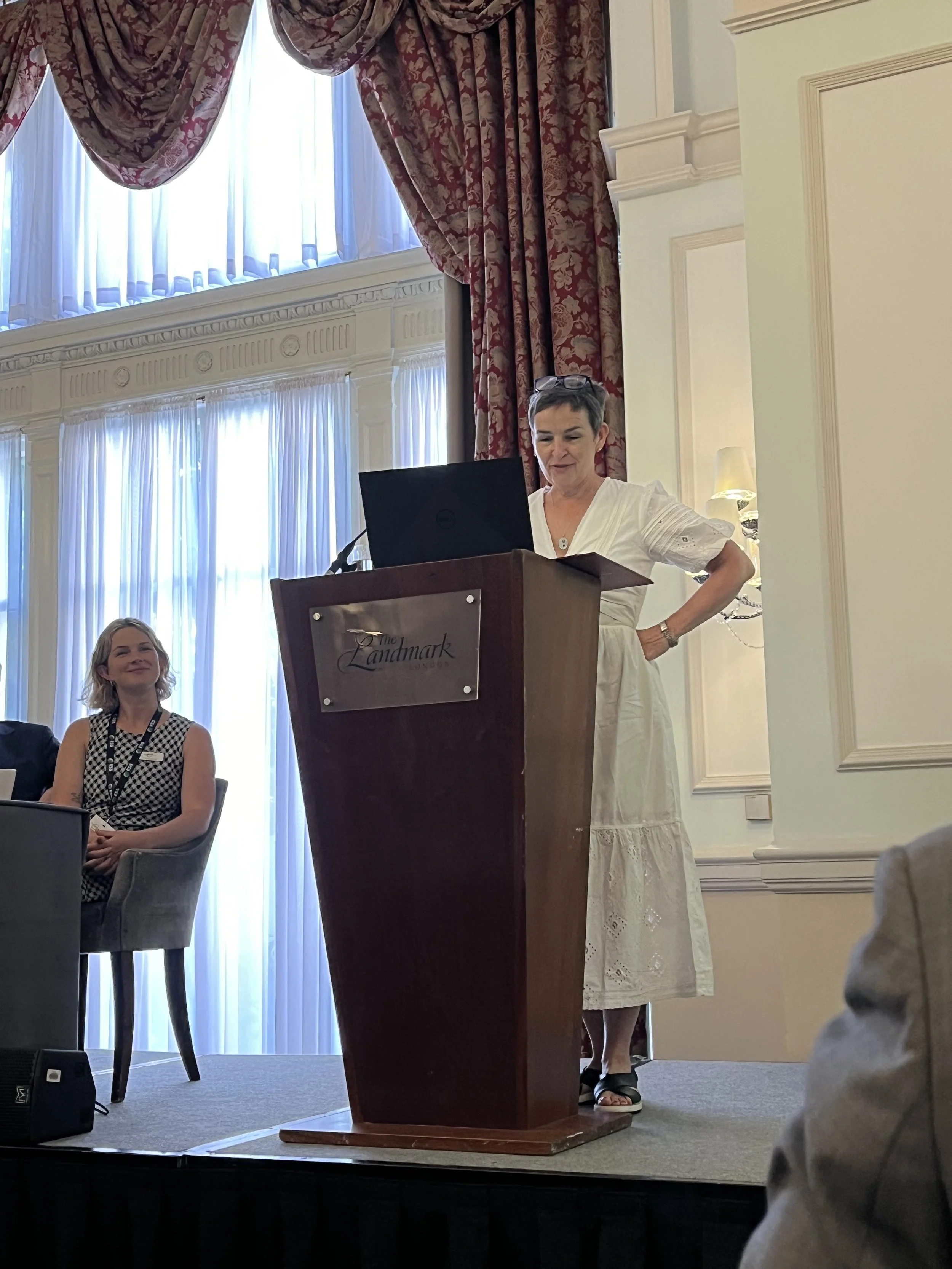
Am I a communist?
Short answer, no. It was just a provocative title to gain clicks. (From one to two, from two to four. Pretty soon I’ll be an influencer and be forced to get an incomprehensible tattoo and end each sentence I speak with a raised inflection whilst taking cash bribes from ED sponsors).
So why pose the question at all? Am I communist? Well, since you didn’t ask, I will answer anyway.
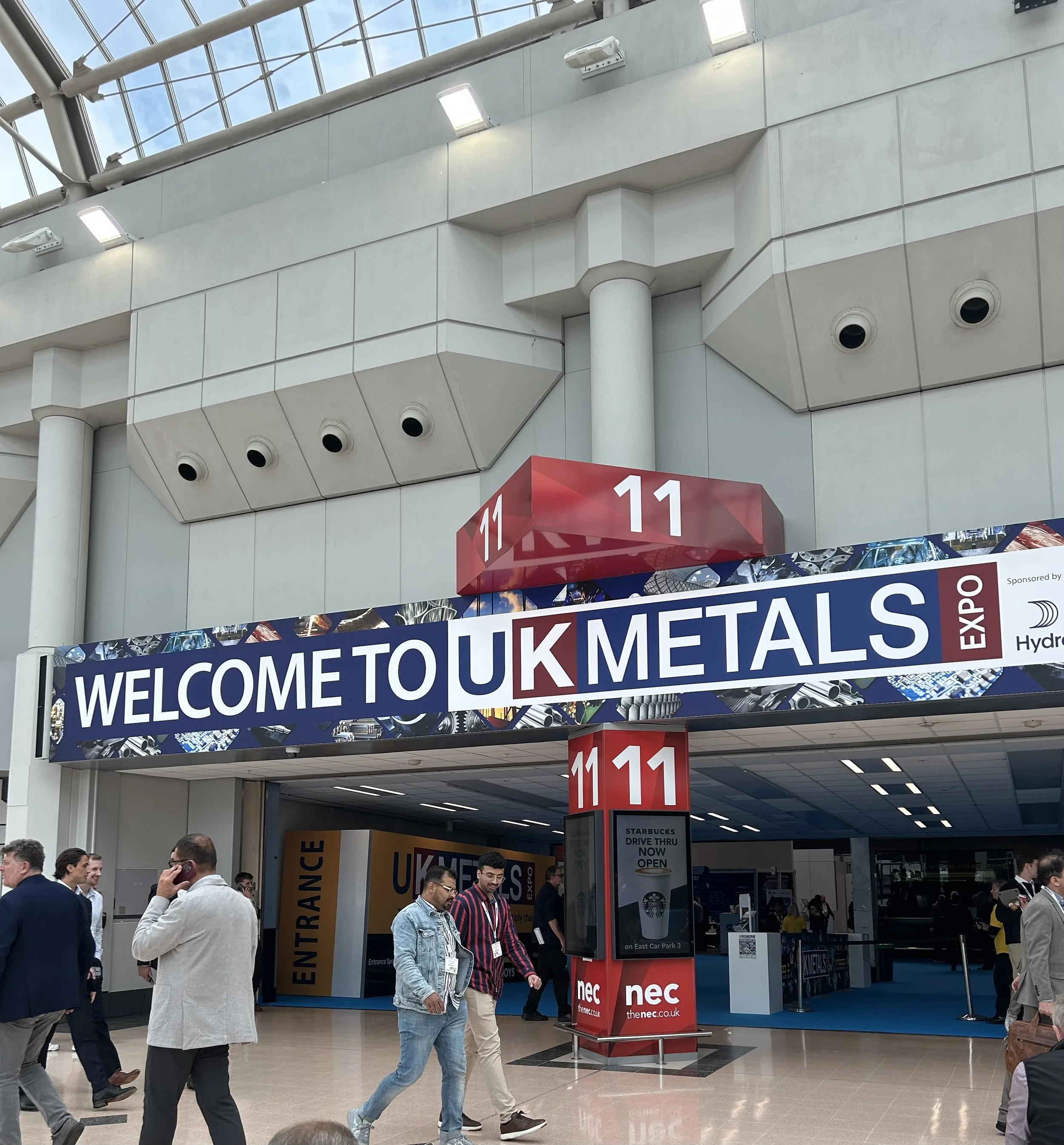
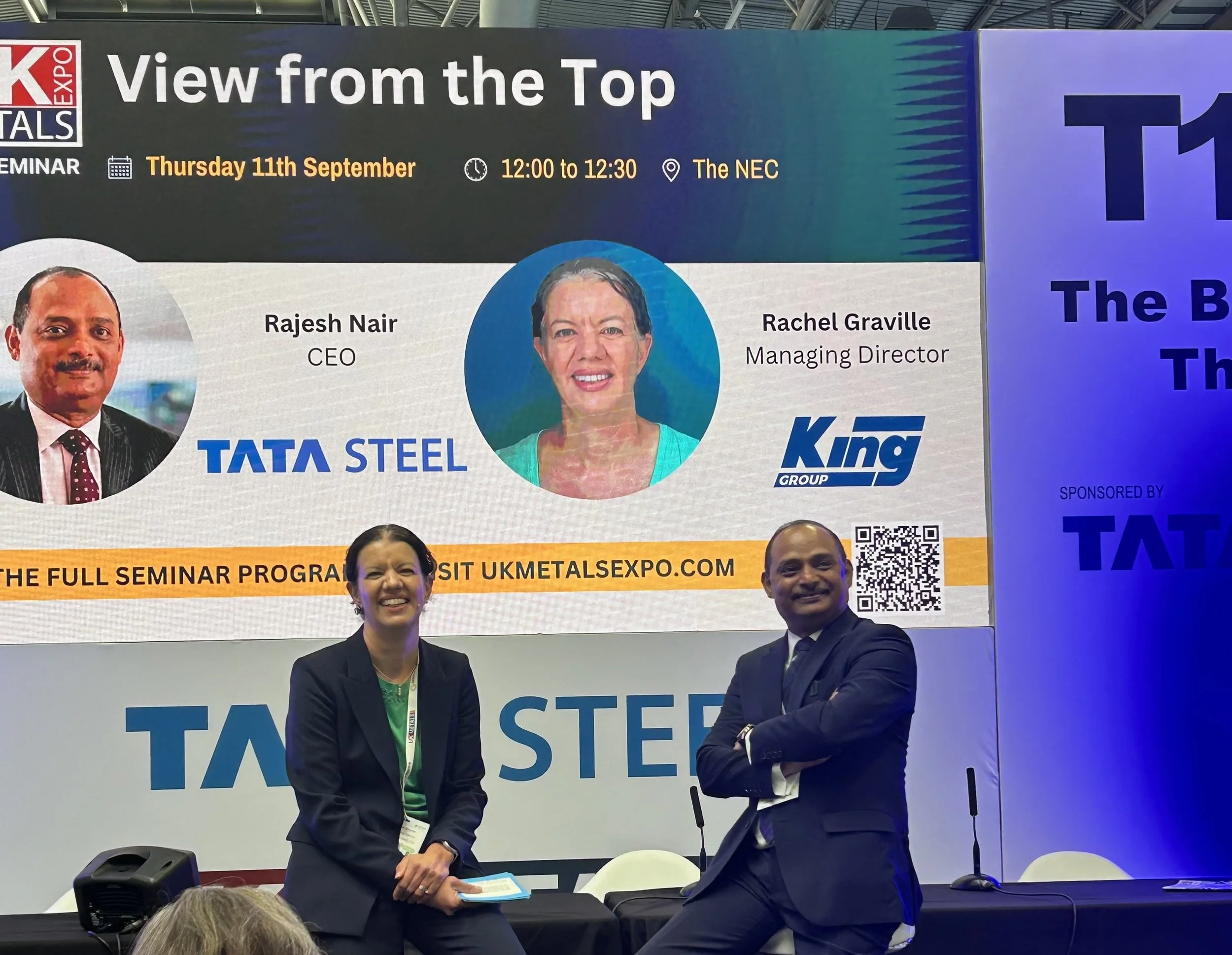
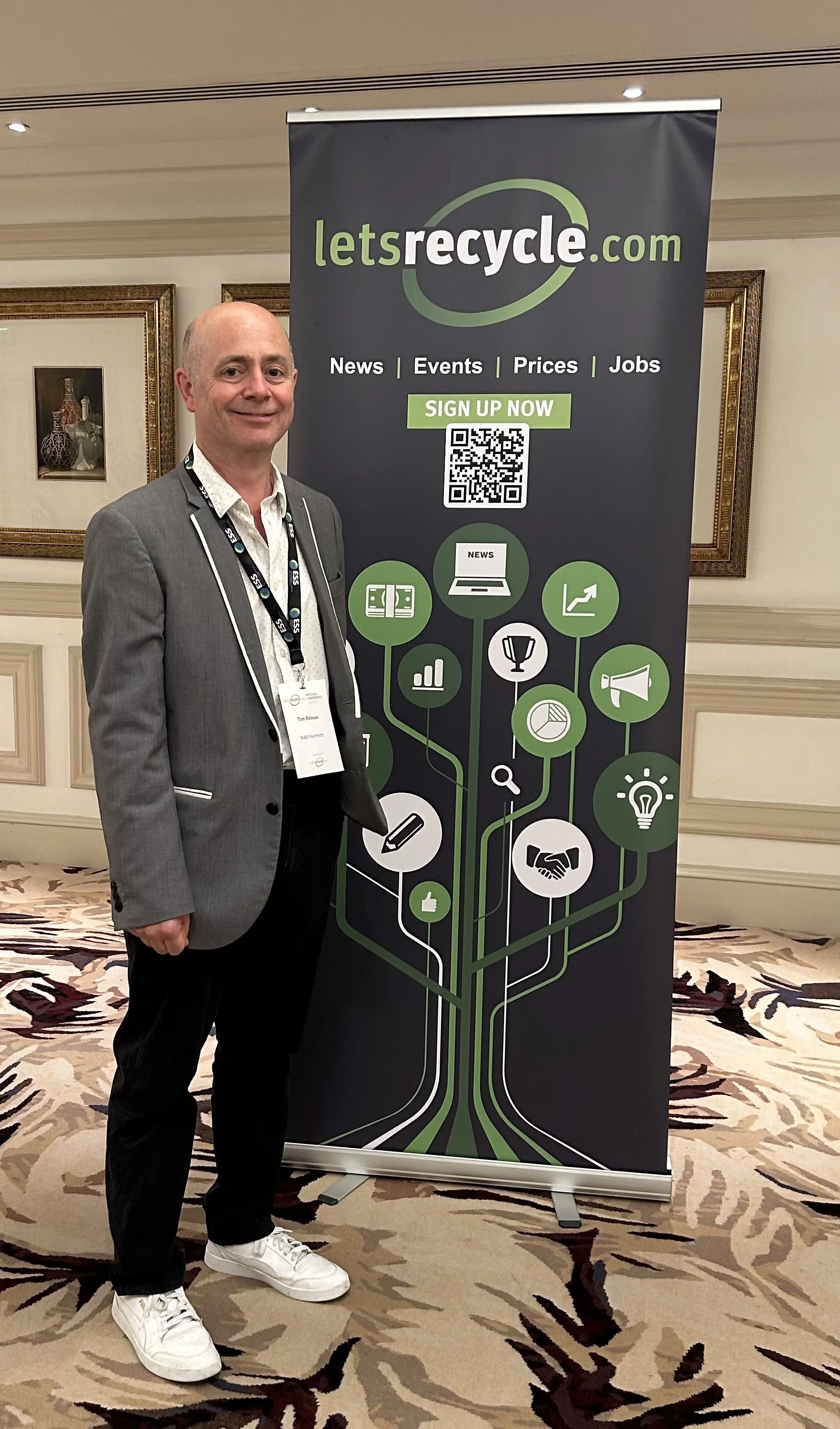
For my job, I attend conferences on recycling, metal production, the circular economy; waste disposal. I listen to expert panels, government ministers and industry experts discuss decarbonisation, energy policy, green steel production, increasing government mandates on waste. Worthy stuff, I think you’ll agree.
My starting position - on these issues and, frankly all - is that government actions should be very narrowly drawn. Unintended consequences, misallocation of capital and interference with incentive structures, are usually the inevitable result of government action. That’s without addressing the potential - and real - erosion of liberty for the citizenry resulting in and a large tax bill. Government should necessarily be limited.
The Plastic Bag Tax
Older readers will remember that I was somewhat excised some years back about the plastic bag tax the government introduced (see unfinished and unpublished article below from 2019). The very noble thought behind this action was to reduce the number of plastic bags floating around car parks, recreation areas and into the sea. Doing nothing meant that consumers would continue with their planet-destroying behaviour as they faced no disincentive against demanding plastic bags each time they shopped. This, of course had been leading to the double trouble of consequence both in terms of ‘unnecessary’ production and the clean up afterwards when the bags got discarded, often not in a bin.
I have to say, before the bag tax, I always brought along my own sturdy bags when out shopping and got rewarded for it by my supermarket of choice who gave me loyalty points for each reused bag. It was an incentive structure that closely aligned with my own views. A happy coincidence. Unfortunately, not everyone was built to appreciate this voluntary incentive structure. And so the government mandated shops to charge for plastic bags (via various EU Directives allied with concomitant primary and secondary legislation).
The results - on the face of it - are pretty impressive; a drop of 98% usage of single use bags. (1)
Another example of Gov overreach I quibbled with at the time but am now tending towards equivication, was the banning smoking inside pubs and restuarants. Again, the results are - on surface - good. The atmosphere in pubs, restaurants (trains and planes anyone?) aren’t smokey anymore. Non smokers aren’t forced to sit in clouds of second hand smoke. But have you noticed the outside of pubs these days? The action - even in winter - is outside. (See my thoughts on B.O.H.O Bar in Krakow for the reverse).
And so to the present day - Scrapyards
I’ve been looking into the strategic imperative for the UK to move to lower polluting steel and aluminium production methods. The old blast furnaces were incredibly polluting as well as needing a constant supply of fresh materials dug from the earth (iron ore and coking coal). The adoption of electric arc furnace (EAF) techniques for steel production, for example, is 75-80% less polluting by using, the as the main component, recycled steel.
And this is where I wander in as bit player in this production. I deal with scrapyards through my work every day so I have some interest in the industry. The happy path goes something like this:
You take your old banger car to the scrapyard. They pay you for it. The yard scraps the car using advanced techniques which separates the various components leaving, amongst other metals, a fairly pure steel. This reclaimed steel goes to a domestic electric arc furnace steel manufacturer who then melts it down, maybe adds some pure iron ore (DRI) to improve the quality and - viola - you have ‘green steel’.
The Three R’s of Environmentalism
Recycled: The old car gets broken down into components and then the steels is cleaned and ready for recasting in an EAF.
Reuse: The steel can be reused an infinite amount of times given the right clean up process.
Reduce: The need for iron ore is much diminished. Coking coal, totally unnecessary.
Is Tim A Communist?
My own question is redundant. Of course not; where the free market works, where human behaviour in millions of decisions leads to a voluntary ascension to the good, then this is always and forever, the correct path. But. Human nature. Production without consequence. The failure to adopt new ‘cleaner’ technologies means sometimes, narrowly, sparingly, the state needs to step in.
How it hurts to write those words.
But. Fads. Fashion. Grift. The ‘new’ thing can pervert a tangibly good thing - a clean environment, a sustainable future - into the complete over-reach of net zero. In each view spoiled by wind farms, the dead birds sacrificed on their concrete altar beneath, for every beached whale, I despair and am very much a fighter against lazy opinions.
Confliction is the new certainty.
NOTES
1) Obviously, there are cross currents. Consumers shifting to plastic bags-for-life made from heavier plastic pollute more unless actually used several time. Even cotton bags need to be used 130 times in order to pollute less than thin single use bags.
Unpublished article from Aug 2019: Life is Like A Plastic Bag (Regulation):
As a libertarian environmentalist I frequently wrestle with a dilemma; how can a population do the right thing without the State forcing them to do so? Walking around the Lake District or a National Trust property, I’m excessively pissed off when I encounter litter. I mean, WTF? How the hell could people be so thoughtless in such a beautiful place? Probably littering is against National Park laws but should the state really have to police thoughtless behaviour in such remote spots? How would this even be enforced? Surely, the balance of responsibility should tilt towards the individual in this type of case?
But what if people choose not to be civic minded? What if they don’t know, don’t care, don’t give a shit? Aren’t they exercising their own sense of individuality? This gets right to the heart of liberty - compulsion for the greater good.
It’s why I keep returning to the issue of usage of plastic bags - its a comparatively small issue though instructive. It’s also an issue where a solution is literally in the hands of you and me; use less disposable bags! Less bags equals less production of useless things, less environmental destruction, less litter.
The answer, bring your own bags to the shop, is easy to understand and small scale - we can all take part in this solution ourselves.
The issue though is one of compulsion - should the state interfere? If the motivation of the state doing so is benigh and the consequentces of doing so ‘a good thing’?
Ah, here is where we run into that old curmudgeon - liberty.
March 26 Postscript
The young Tim was a worthy, questioning soul, was he not? I almost admire him. Are plastic bags a metaphor for something else? Something wider, something smaller? Meta analysis man, we are what we say, what we write - even subconsciously.
Read More
Cloud Cuckoo Land

The clouds above Sussex Downs. Barefoot Tim strumming Joni Mitchell not pictured
(In which Tim investigates Data Centres. Platitudes himself into a mild eco-frenzy and then talks remediation strategies like someone who has spent probably less than a couple of hours half reading articles on the subject. I like it that way, throwing punches in the dark, masking ignorance with blind certainty. Sorta GenZish..)
Notice how our language can be subverted? Euphemisms abound. Real intent and actions are hidden by innocuous sounding words and phrases.
‘The Cloud’ for instance.
We all know have some shadowy idea that our data sits somewhere in this mysterious thing called The Cloud. TicToc. (what’s this?) Facebook (Hi Granddad!). Emails, pictures and texts. Banking, payments, networks, online shopping, they all flow seamlessly through this transcendental world.
Sounds sort of fluffy, no?
Bullshit, actually. Behind each online transaction lies a very physical, non cumulus world located in vast server factories all over the world and supported by a complex infrastructure of pipes and fibre optic cables, often underwater.
These data centres are vast consumers of energy. As the world becomes more interconnected, as we carelessly scroll through TicTocs of dance routines and cats doing funny things, those naughty websites with adult videos on them (not me), the data centres become inextricably larger and more numerous.
More data. More data centres. More energy needed. Vast energy use.
In these data centres, servers sit row upon row, storing our photos, remembering our transactions, facilitating our messages. This all takes energy. But just as we know that overuse of an iPhone can heat it up, likewise these servers generate heat as they whir away continuously. So they need cooling, lots of it.
More energy use. Much more energy use.
It’s estimated that data centres use upwards of 2% of all our worldwide energy and this is growing exponentially each year. Vast amounts of water are also necessary to keep the cooling systems functional so the servers don’t overheat.
So our picturesquely named ‘The Cloud’ is anything but our fluffy friend. Like steel production - which it is rapidly catching as a major energy user in the world - data centres are a necessary evil. Unavoidable.
Please note, I’m concerned about energy use, consumption and composition - not greenhouse gases. I’ve been concerned for some time that our ability to produce sustainable, secure and economic energy has been sidetracked and compromised by weak governments and strong green lobbyists. The failure to update our nuclear fleet has been a major failure of not just the UK.
The energy use of data centres is frightening as we expand what we put in The Cloud from photos, to scrolling social media videos to new AI applications. All sucking energy. How is this to be sustained? Will our ability to innovate as a species be constrained by our inability to produce enough energy?
Mitigation
Clearly, the major players from Apple, to Google, to Meta, to Amazon, know this. Whilst the visible end of the internet spectrum hides from the general population, governments and business know the dirty secret behind The Cloud.
Mitigation strategies are many and include, localised renewable energy sources, carbon neutral strategies, clever uses of geography (cold areas for cooling for example, or hot areas for solar energy), water based cooling (in the sea for example), optimal server redesign, converting surplus heat into energy.
Many strategies but the rise of connectivity, AI, videos, and businesses moving to Cloud based solutions - for security, cost reduction, future proofing, speed - all contribute to the snowball hurtling down the mountain that is data centres. Best intentions sometimes aren’t enough.
Knowledge is Power?
Knowledge is power. Power, judiciously exercised can lead to change. Peaceful, incremental, beneficial change. The first step is to realise that the internet, our phones, our social media, The Cloud itself, is not cost free. All our actions, cumulated together, are creating a monster of environmental impacts.
Reluctantly, I admit that governments probably have to play a part. Holding the ring, not swinging within. Businesses who use ‘The Cloud’ can play a part by lobbying for cleaner, more efficient data centres, and by informing their customers of the environmental impacts of their data policies. However, I’m wary of ceding power to self certified experts/third parties who often seem to push agendas in the guise of ‘measuring ESG’. Who guards the guardians is a great liberal principle.
Ultimately though, we - the consumers - are also jointly culpable and so individually we must ask, what can I do?
Practical tips for individuals and businesses
For a start, gluing yourself to the road or vandalising works of art are not an option. Grow up! Prison is where you should be and you have no place in rational discussion. GAFJ. *
So, here’s some practical tips to help steady the growth of data centres and reduce the power that they use. It’s interesting what we can do!
Delete emails, keep to inbox zero. It’s good practice anyway, isn’t it?
Don't send unnecessary emails, keep the cc’s low. Go 1980’s on everyone’s ass - be mysterious, untraceable.
Delete photos. Do you really need 28 selfies per night to get that one perfect shot. Bin the dross.
Use Google docs and share them rather than use email (also good for security - we’ve all sent docs to the wrong person!)
Type a website directly into the browser (or click on a URL). Searches use 4 times more energy
Websites: lighter colours are less ‘heavy’, simple pictures are easier to load and use less energy. As universally recognised fonts, Arial and Verdana load faster. Use simple code - don’t overcomplicate things. Check your website’s footprint at Websitecarbon.com
Videos and music on your phone. Download, don’t stream.
Video /social media - disable autoplay
If you’re listening to a song on Youtube, for example, but not watching it, stream or download the song from a music site.
Read books. Slow burn knowledge. Builds resilience and patience and is a good habit.
Quit social media. Conroversial but true. I did it years ago. From my off grid cabin in the wood, reading Appian, I don’t miss it.
It's an interesting list. Every individual plays a part. Each part adds to a whole. The internet is great advance for society, bringing benefits from access to knowledge, to instantaneous communication, fast payments, online shopping, and yes, videos of dogs playing the piano. But there is a downside. Nothing is cost free.
Knowledge of this should dictate behaviour. It won’t but it should. Otherwise demand of services will outstrip supply of energy. Our governments have been criminally negligent sleeping at the wheel whilst mouthing platitudes about solar energy. Yes, I’m back on the nuclear train again. Nuclear? Yes; the way we can safely add base load to meet increasing demand. One for another post !
GAFJ: Get a Fucking Job. @Tim Robson 2024. Fetch.