
Le Baiser de l'Hotel de Ville

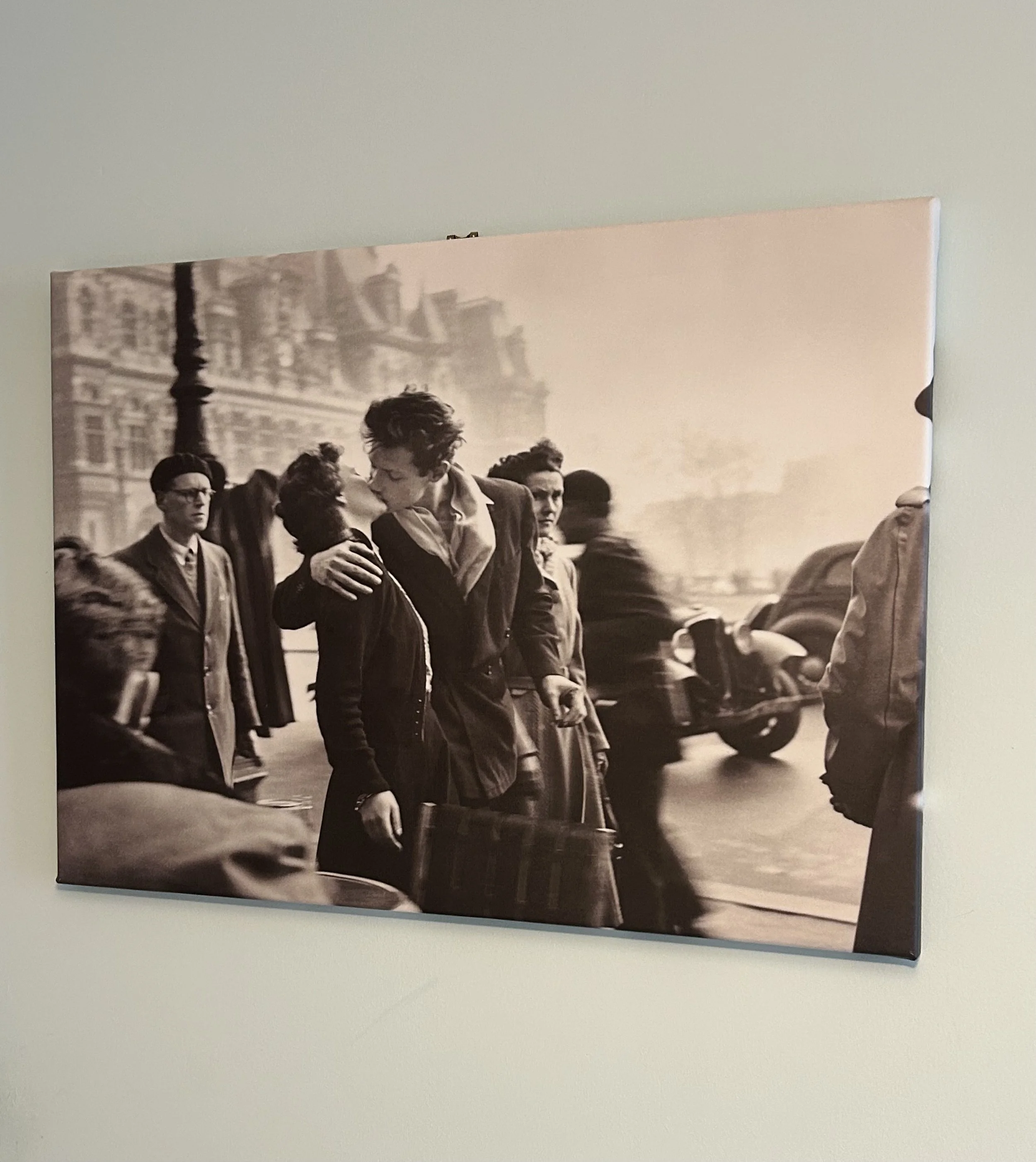
Iconic Doisneau photograph
Is art preference an indication of character? What do the paintings or photos that we place on our walls say about how we perceive ourselves? About how we wish to be perceived by others?
For almost as long as I can remember, I have placed pictures on my walls. Blue tac, pins; nothing seemed to be framed back in the day. What I liked, I stuck up, starting with posters of football teams, Elvis, The Beatles, leading - from 16 onwards - to real 6*4 pictures from my own life - mug shots freeze framed into vanishing history. Hilariously - it now seems - I also pinned up letters from cabinet ministers and MPs (I collected MP’s signatures like others might popstars or film icons).
Doisneau and the University Bedroom
What posters did I have on my university dorm room walls? Debbie Harry. Raquel Welsh. The Beatles. But I was most proud of a large (and expensive) black and white print of Robert Doisneau’s “Le Baiser de l’hotel de Ville”. Although the photo was taken in March 1950 for Life magazine, it lay forgotten for decades. At the prompting of his publishers though, Doisneau had - in the mid 80’s - sanctioned the image to be rereleased in poster form. Not long after, I saw it in a Brighton shop (Virgin Megastore? HMV? Athena?) and immediately liked it. So I bought it and up it went up onto my Sussex University dorm room wall.
How cool was I?
I probably thought I was just as cool as the guy kissing the girl in the photo. But in reality I was definitely more like the the guy in the beret unwittingly walking past the lovers just as the photo was being taken! Actually, entre nous, I read some story that this stereotypical French mec was an Irishman called Bert on a motorcycling tour of Europe who randomly happened to be in Paris that day. Who knows? Even the identity of the couple kissing was firstly, shrouded in mystery and then secondly, disputed in the courts. Turns out they were both actors / models and were paid for this semi staged tableau.
But why does this photo call to me even now?
Voyeurism?
Well, it’s not the voyeurism, the thrilling sense that we are encroaching on the lovers’ private moment. The angle of the shot from the cafe table looking outwards suggests a photo illicitly taken, grabbed furtively. Perhaps the photographer had his camera on the table and clicked the button at the perfect moment or maybe he was pretending to reset his lens and snuck a shot. Some may like this aspect of stolen moments but I always thought the mise en scene a little too perfect to be a lucky shot; it is - and was - artfully staged.
Time and Place?
Is it the sense of time and place? A fleeting glimpse of world now gone reflecting back at us through the camera? That’s closer. Like children running after a balloon floating above Montmartre , or policemen in caps and capes directing jaunty deux chevaux around the Arc de Triomphe, the picture documents a Paris remembered but lost. This type of reportage of daily life is what Doisneau is best known for. I have a marvellous and chunky photo book of his Paris shots - during and just after the war - which detail life on the streets and in the bars. Smiling faces gaze back at me, so sure, so real but so impermanent.
Carefree Young Love?
Or is it the picture of young love, so carefree, so intense, before life intrudes and ennui gradually chokes off the heady dopamine? This feeling never lasts and is as fleeting as a freeze frame from a video; a frozen moment captured out of time and pulled roughly to the fore. This picture captures the apex of young love, in Paris no less, and as such it represents an ideal of something for which we all search. I know people who are ever tumbling into the vortex of new love, always looking for that elusive high, ever disappointed when it never lasts. I also know people who continually think past the sale and so, to avoid the fall, avoid the climb and never experience the heights.
It’s all our pasts and all our dreams, a once and future representation of humanity. And I think it represents optimism and that, following all the words, is why this picture is on my wall.
April 2026 - TR House
Post Script
I don’t know what happened to the original poster. I don’t believe it survived the 1980’s. Why it was discarded, is lost in time, just like the Paris of 1950. However, I have re-bought the print and it is once again featured prominently chez-Robson amongst the numerous Hoppers and James Hardaker originals. That feels right somehow.
Read More
For more Paris related stories what about my travels to Palais Garnier? Or the traction beam of walking to Bastille?
Perhaps you’re into Impressionism? The read my Honfleur-Rouen Art Tour.
Gare du Nord to Bastille - Easy Paris Walk
The July Column, Bastille, April 2026
Don’t be a prisoner of the Metro!
I’ve told you previously about walking from Gare du Nord to Palais Garnier. All that Haussmann architecture with structured wide avenues oozing elegance of proportional symmetries, iron balconies and 45 degree sloping roofs.
Well let’s go another way (said every roué ever). Just flip the other walk 45 degrees and let’s plough on down the old Parisian alleyway we call Boulevard de Magenta into the comforting loins of Place de la Bastille.
Yes, I’m basically using a poor sex metaphor to describe a walk. Again. Those that do, do. Those that don’t just make terrible puns and pen walking guides around Paris. So, here we go again, fresh off the Eurostar, avoiding the Metro and walking down to Place de la Bastille.
Route Logistics
Start Point: Gare du Nord
End Point: Place de la Bastille via Place de la République
Distance: 3.6km (2.2m) / about 50 min at a slow pace
Difficulty: Easy
Cafe/Bars: As many as your companion will let you.
Is it Safe?: Yes, just take the normal care you would in any big city. Be aware of your surroundings.
How Awful Is the Area Around Gare du Nord?
Pretty awful. But as a tourist following this guide and heading south, it’s a damn sight better than the poor buggers who bought a cheap hotel room in the area above Gare du Nord (La Chapelle). No Maurice Chevalier in a top hat tap dancing through the wide boulevards here. Yes dear readers, I regret that bit of hotels.com cheap skating.
But, follow my instructions and let me guide you away from the disunited nations of the frenzied and the avaricious crowding your entry point and lead you into the boulevards you imagined when you first booked that weekend break away to Paris to recapture what was once there, or what you hope could be there.
Blvd de Denain to Boulevard Magenta
Set off, like we did last time as I guided you Palais Garnier, head straight out of Gare du Nord, cross the road in front of you, and go down the first avenue you see - Blvd de Denain. As you do so, observe the gardens - newly planted - in the middle of this pedestrianised street but then hurry, hurry away from the too observant locals; hide your wallet, pocket your phone, wrap your Mountain Warehouse jacket tighter around your bum bag . But only for ten seconds. The latter part of Denain is as peaceful as a Normandy seascape under impressionistic skies. Yeah.
Same café, same refuge. This time 50cl of 1664 blanc. Why not? La même chose, monsieur. So after your pitstop at La Chaufferie, follow these precise instructions:
Turn left. Walk straight on.
And that my friends, is basically your instructions to get to Bastille. A masterclass in understatement, no? Pure clickbait that turns just five words of direction into a thousand word solipsistic essay of poor jokes, average alliteration and parti pris prose.
Boulevard de Magenta
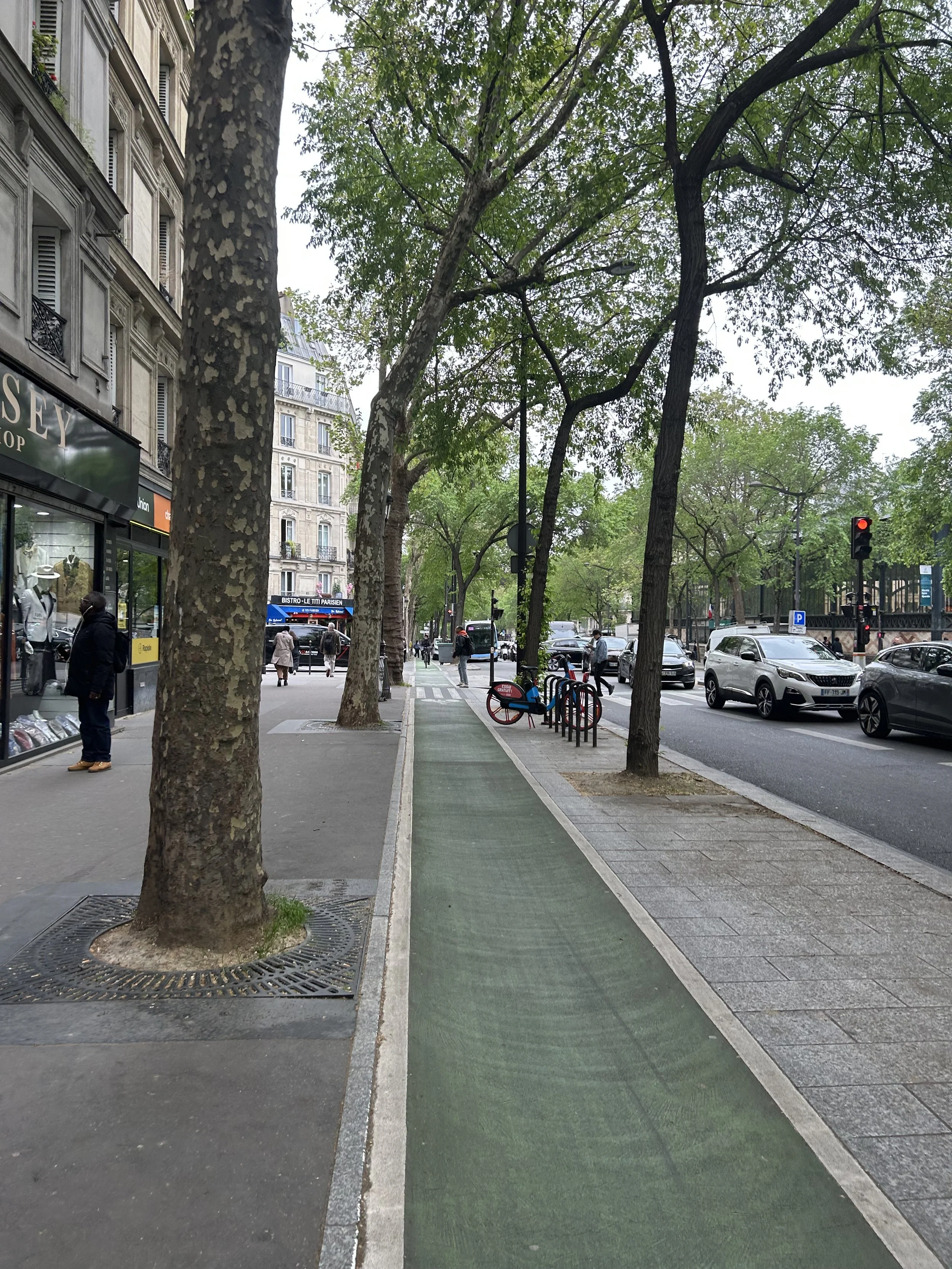
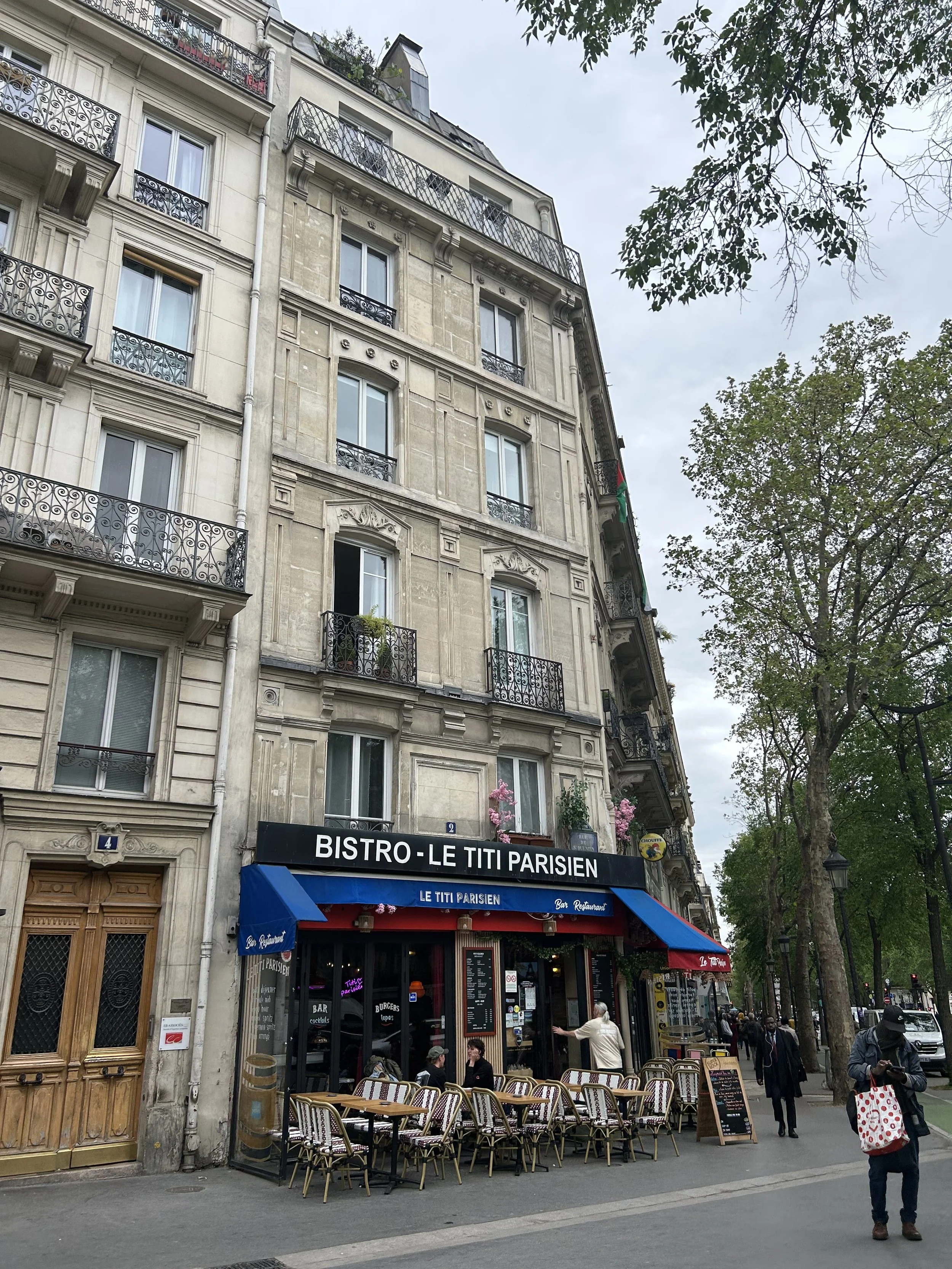
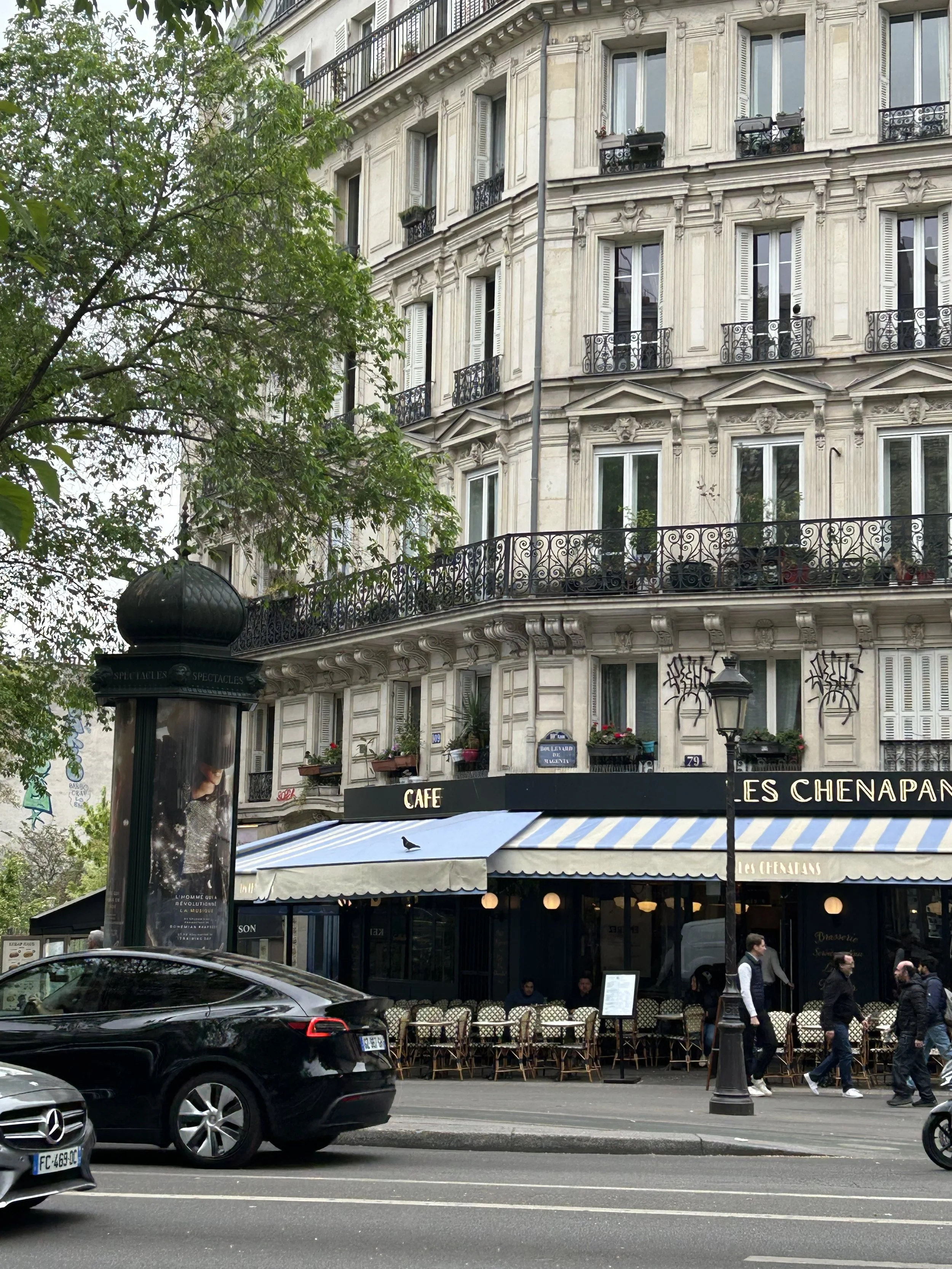
As you join this stretch of Magenta, marvel at the fresh urban character. Rejoice at the impromptu street-art spray painted onto historic buildings. But don’t stop too long to avoid being a phoneless Gallic Banksy yourself. Purposely canter through this first section past men watching from the darkened shadows of doorways, eying each tourist for value, for weakness.
“Yet herein will I imitate the sun,
Who doth permit the base contagious clouds
To smother up his beauty from the world”
And then, like a beautiful Parisienne Spring - and is there anywhere better than Paris in Spring? - Magenta opens out, chills out and becomes that which we seek, Le Paris Profond. Cafes and boutiques spread in front of you like a unabashed lover; flower shops, cafes, patisseries. Vous êtes ici, vous êtes à Paris!
Magenta bleeds into Place de la République which is a major square flanked by those famous Paris brasseries Les Five Guys and Le Bloody Burger King. They stand a greasy guard to Marianne’s haughty Monument de la République in the centre of the square. Let us not forget that the French had a revolution and, before they started getting all gilet jaune on each other’s ass, it was a turning point in history of which they should be justly proud. A century after England, of course, but, yeah, whatever.
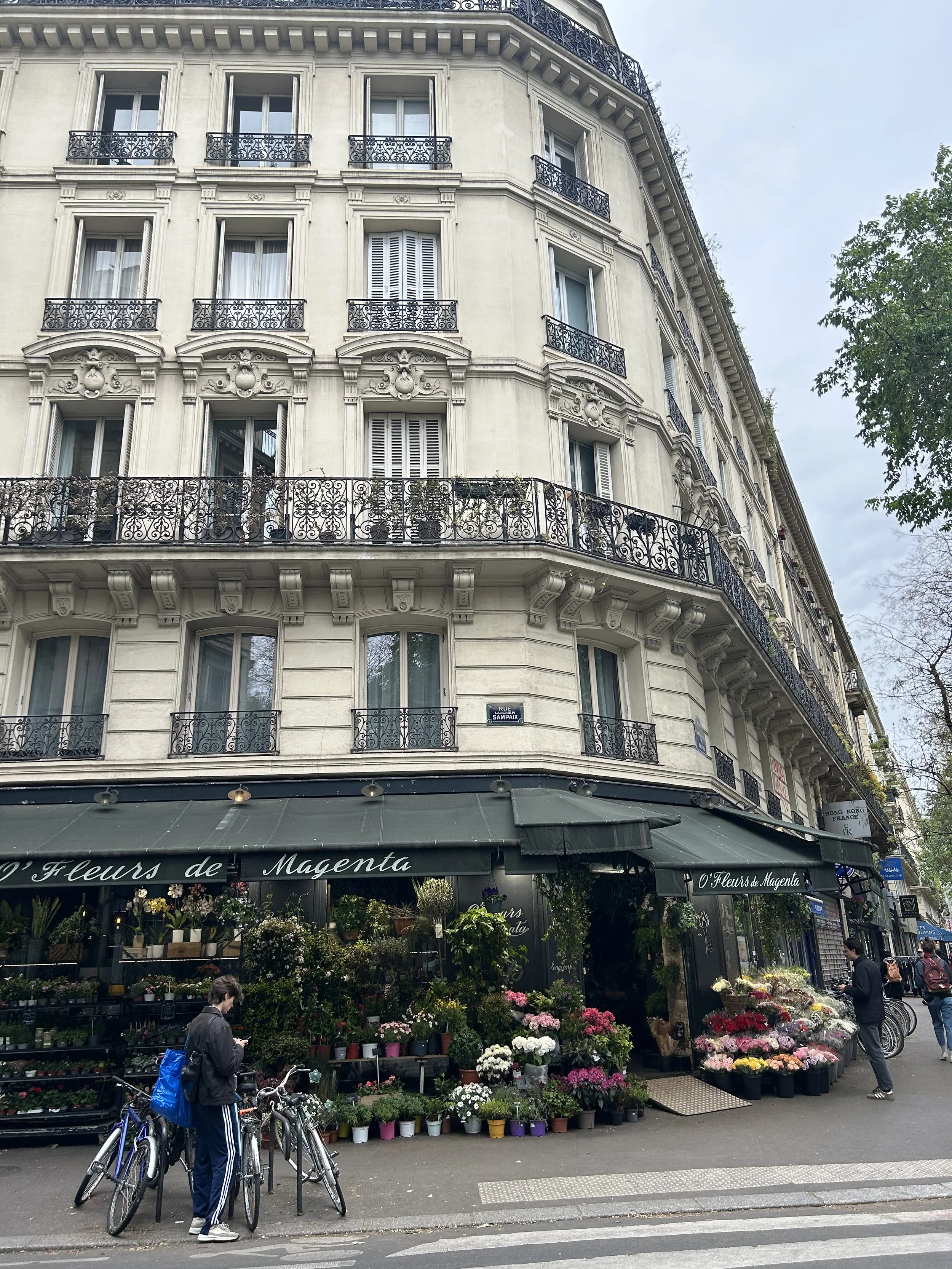
Serious Haussmann
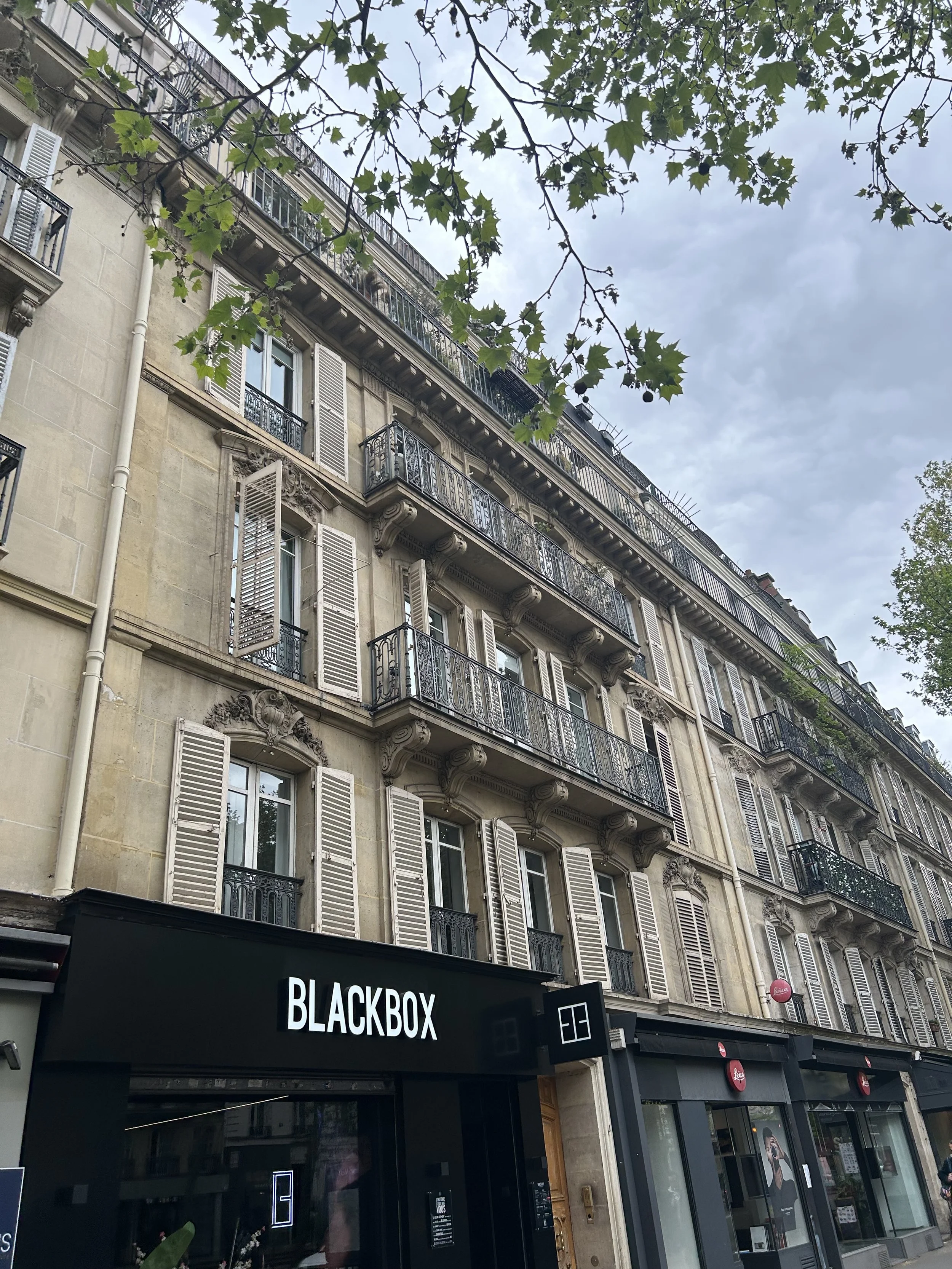
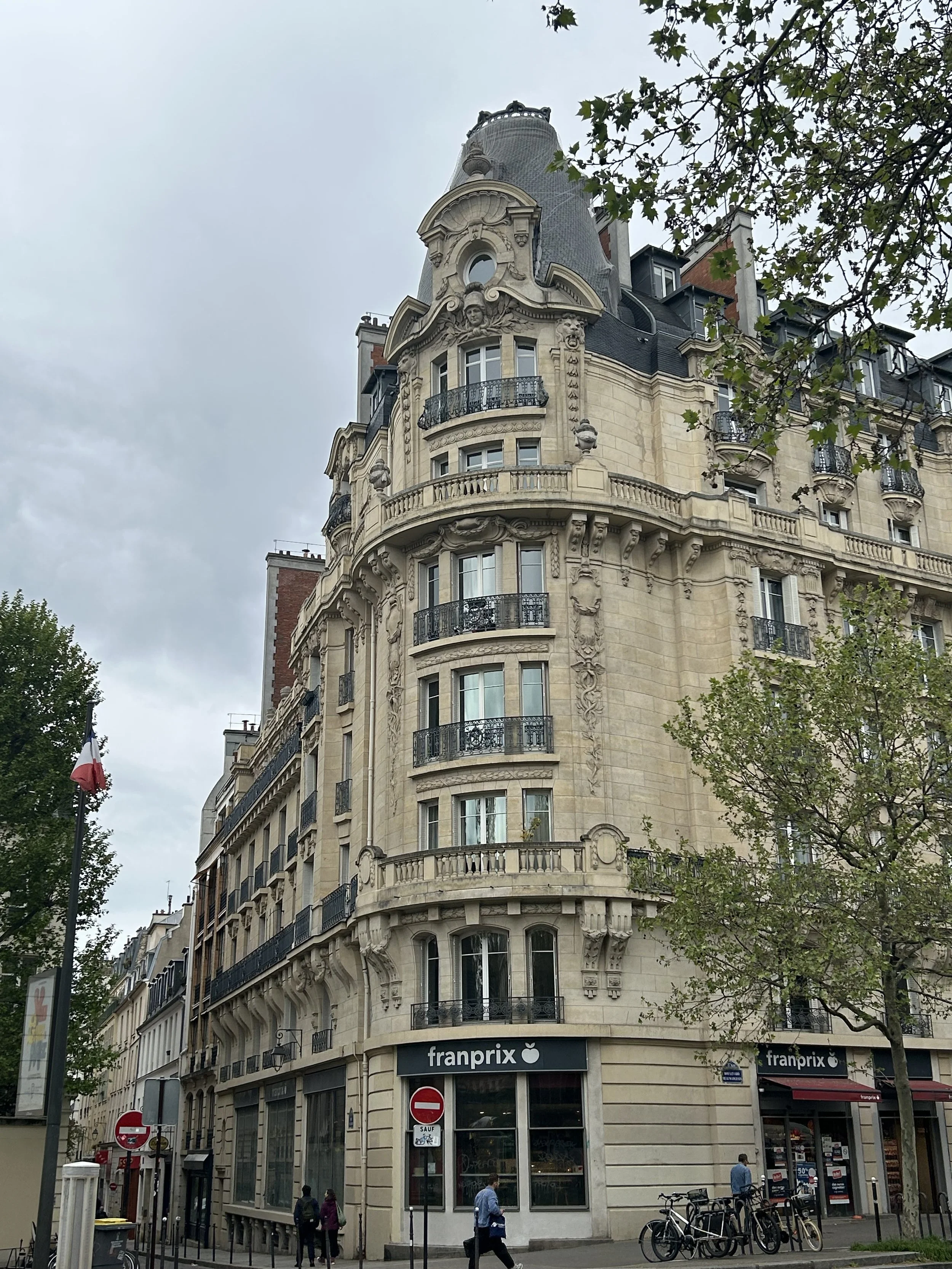
Diagonalise the square and head down Boulevard du Temple. We’re now getting into serious Haussmann territory as the traction beam of Bastille draws us ever onwards. Do look at the houses and shops as you pass. The sad fate of the unfamiliar urban tourist is to keep eyes ground level watching out for the pavement crazy dancing oddly, eyes dimly confounded by internal riddles, dancing his dance and doing that jogging trousers falling off the arse boogie.
Huh Tim?
What I mean is, look up and around. There are many fine buildings that stand unobserved unless they are observed. Features and oddities, historical quirks, hide in plain sight. And it’s here, on Temple, that we’re in serious Aristocat territory. Balzac, Condorcet, Zola. All of ‘em. All of ‘em. The spirit of Old Goriot lingers here. De Gaulle, Mitterand, Johnny fucking Hallyday. French as a ripe Camembert or a sexist car ad.
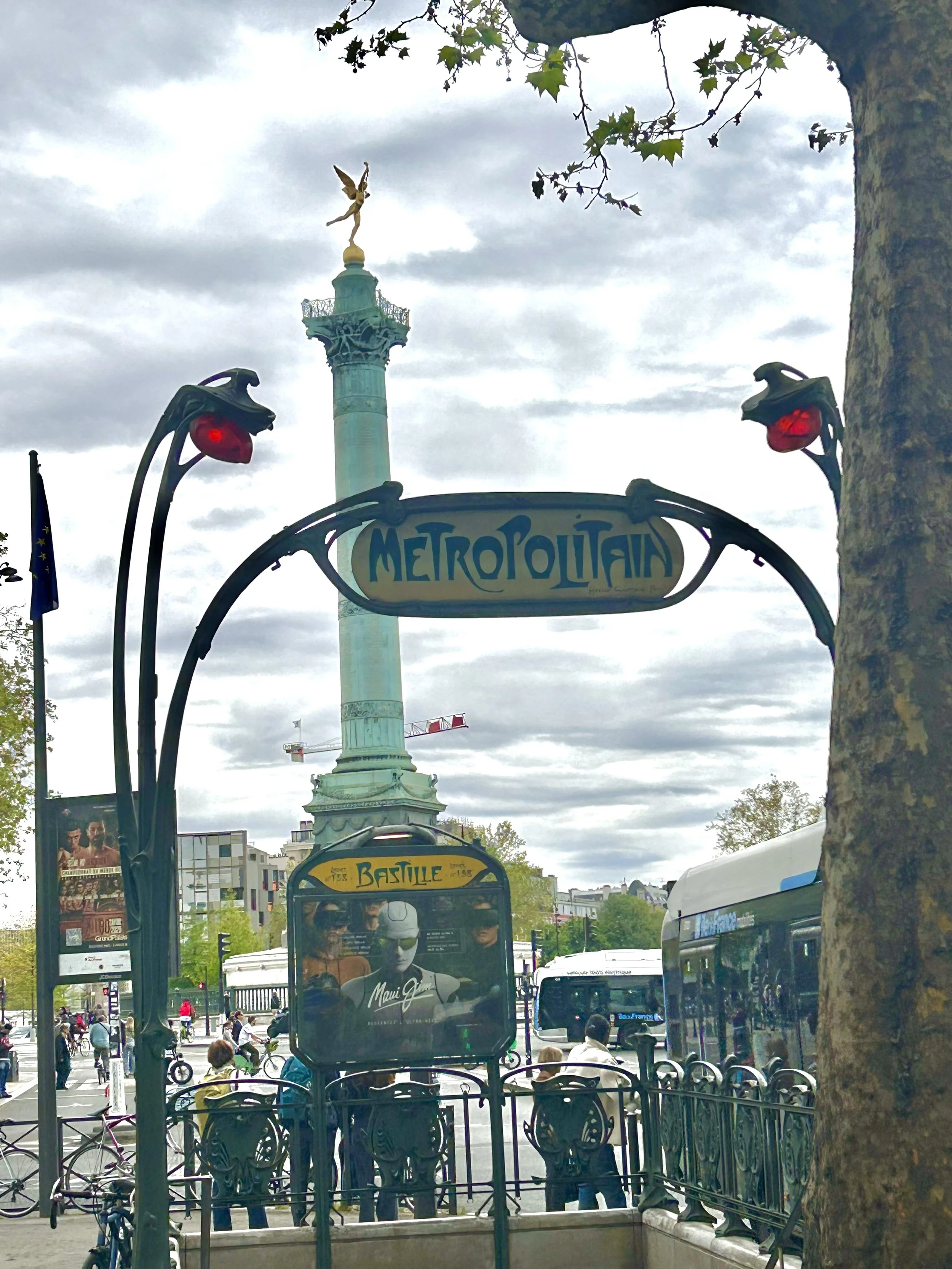
And then, surrounded by mad traffic and repeated zebra crossings (how long must I wait for the green man?) - but avoiding the high speed scooters and electric bikes - we have the Colonne de Juillet at the centre of Bastille. You know, the place where the French started off their revolution by freeing all the prisoners. Back in the day, here in England, we use to cart ours off to Australia. Now we just let them out as we’ve no money to keep them in. The revolution of the penny pinchers.
Little bit of politics. Moving on.
The Beauty of Le Paris Profond
Paris is in the detail, not the broad strokes. It’s the adverts for intriguing looking films you will never see rotated on the hexagon signposts. It’s the ornate signs and orb’d candelabras of the Metro stations. The iron work of the balconies, the regularity of the buildings, the ever changing, ever present sight-line of trees.
But it’s mainly in the cafes spilling out onto the streets as you observe a world - more sensed than perhaps real - of smart sophisticated people in scarfs drinking little coffees, smoking cigarettes, engaging in those ornate flatteries that choreograph the opening moves - cinq à sept - towards an affair. An affirmation of a life lived right. La vie réelle.
Walk to Bastille bitches!
Obligatory Crap Map
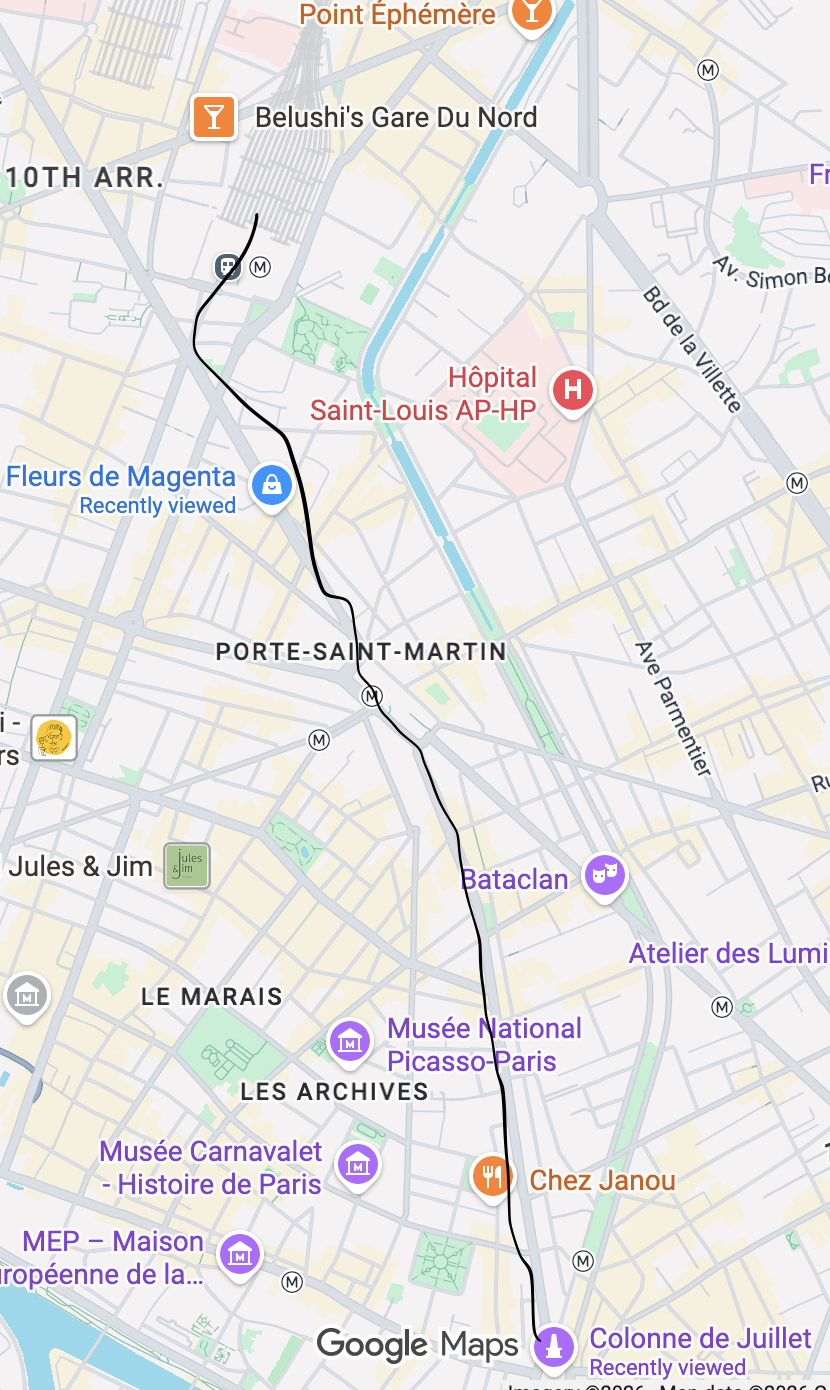
Badly drawn map of a walk from Gare du Nord to Bastille
Other Walks / Cities
What about Gare du Nord to Palais Garnier? or A Look at Robert Doisneau’s Le Basier de l’Hotel de Ville?
Art appreciation. Lol! Tim goes to Honfleur on the track of the Impressionists. It’s about the light, you know.
Or read more city reviews written from the comfort of bar stool (Antwerp, Bruges, Delft)
Quotidian Notes
1) Obviously the 1664 I had wasn’t the first, it wasn’t the last. I find càfe culture - and a constant refreshment of the glass -guides my pen. Like a higher power accessing truth. Here in Paris, there in Krakow, otherwise in Bruges or Antwerp.
2) Why am I in Paris? On business, mate, business. Doing deals you know.
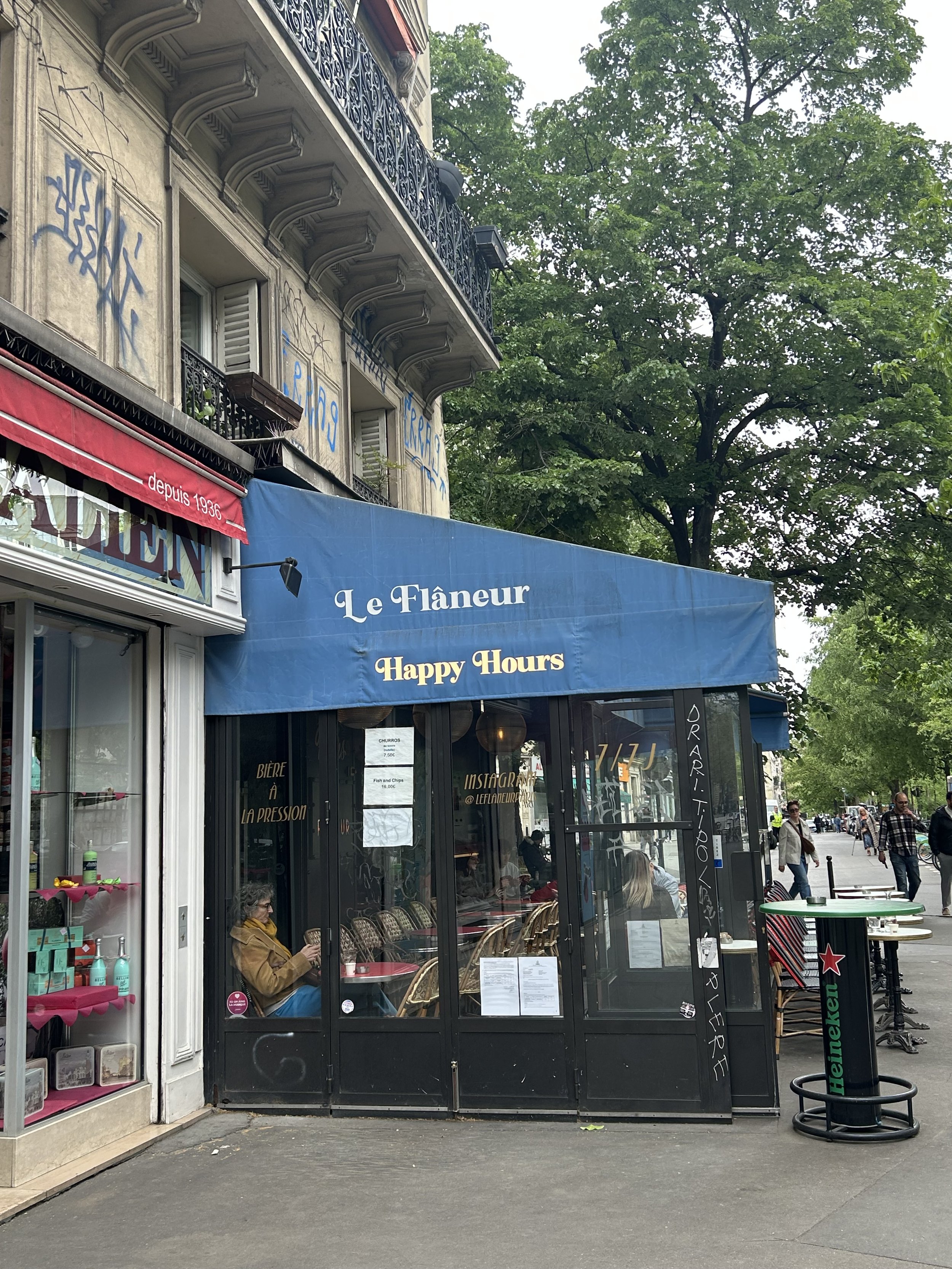
3) The Cafe Flâneur Happy Hour photo. Too hard to resist. Am I a flâneur? Am I a world weary sophisicate leading you on? To where? To whom? Jean-Paul Sartre grasps at my shoulder but is shrugged off. Existential bitch. I travel but lightly.
4) And what the hell is Le Paris Profond? What’s that pretentiousness? Well, I made it up. It takes a foreigner to capture the essence of a place and it takes a jackdaw jobbing writer to steal, adapt and polish a phrase. Yes, Le Paris Profond will do. It fits. I am…I said.
5) I went to Prague recently. Yeah, I get around. Check out my Prague Top Tips which leads to my Prague Quintet of articles. There’s six.